Eating My Way Through Lyon: Frog, Oysters and More
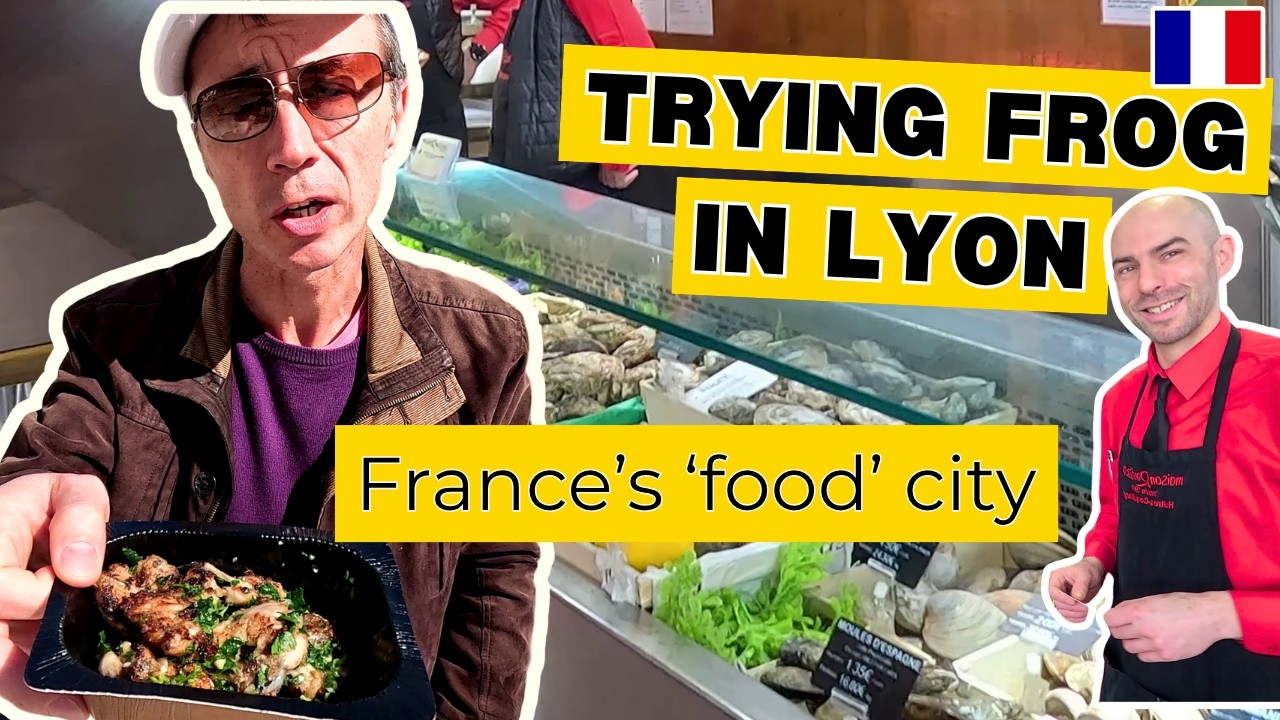
Lyon calls itself the gastronomic capital of France, and it earns the title. This was a day given over almost entirely to eating – frog, oysters, and whatever else the city put in front of me – and a wander through the streets and markets where that food culture actually lives.
If you have time for nothing else, watch the film first. Everything below is the context.
Where I went
Lyon sits in east-central France, where the Rhone and Saone rivers meet, about two hours from Paris by fast train. A food walk here naturally takes in a few distinct areas: Vieux Lyon, the Renaissance old town on the west bank; the Presqu’ile, the elegant peninsula between the two rivers; and the covered market, Les Halles de Lyon Paul Bocuse, named for the chef who made the city’s cooking world-famous. It is mostly flat and walkable, give or take the hills that rise behind the centre.
Why Lyon, for food
Plenty of French cities cook well; Lyon built an identity around it. Its reputation rests on the bouchons – small, traditional restaurants serving rich, unfussy local dishes – and on a deep market culture that takes its ingredients seriously. The cooking is hearty rather than refined: charcuterie, offal, freshwater fish, quenelles, and a lot of dishes that most modern menus have quietly dropped. Eating your way through it is not gluttony so much as research. The food is simply how you come to understand the place, and it tells you more about Lyon than any monument.
What you will see in the video
- A bouchon meal of classic Lyonnais dishes, eaten the proper way.
- Frog legs and oysters, among other things I could not resist.
- The markets and food streets where locals actually shop and eat.
- [Patrick – add the specific restaurants, dishes or market stalls featured.]
Practical notes
- Best time of year: any – Lyon eats well in every season, though autumn and winter suit the rich cooking best.
- How long: a full day, ideally built around a long lunch.
- Walkability: easy and flat along the rivers and across the Presqu’ile.
- Getting there: two hours from Paris by TGV; the city has two main stations, Part-Dieu and Perrache.
- Booking: the good bouchons fill up, so reserve – especially at weekends.
- What I wish I had known: [Patrick – a tip from the day, e.g. a dish to order or a place to skip.]
A little history
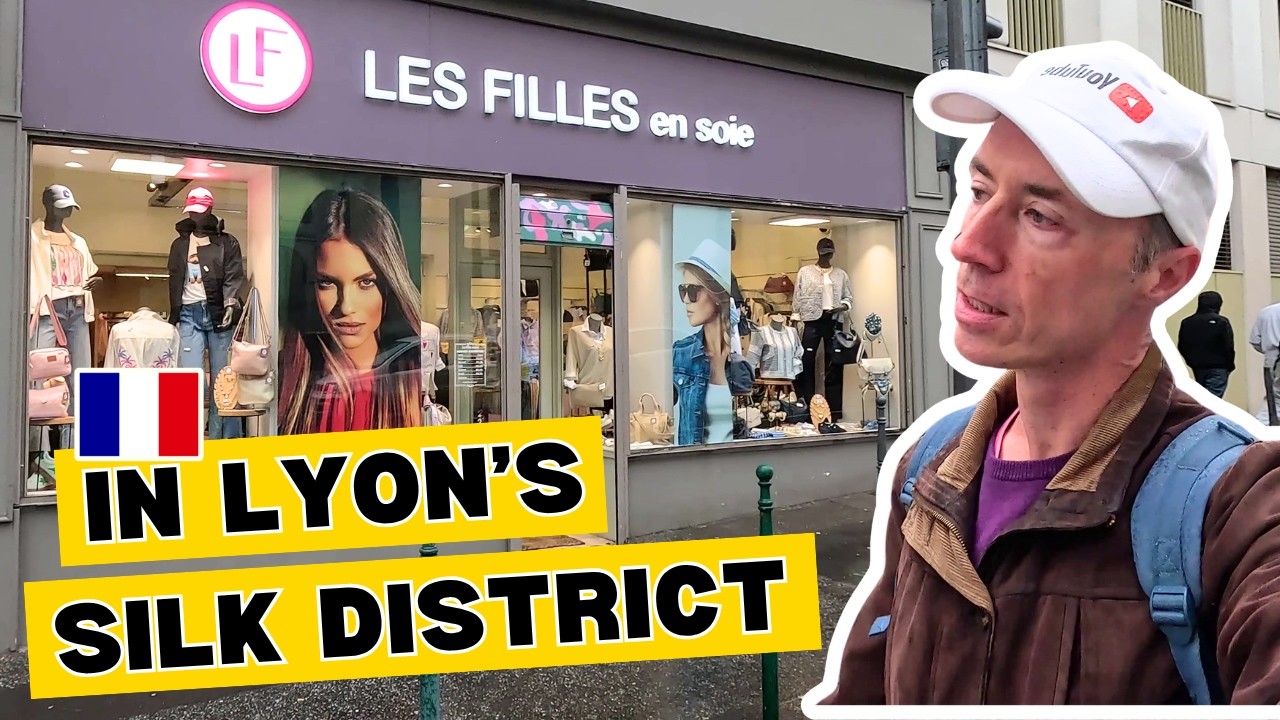
Lyon’s food culture has deep roots. It was shaped in part by the meres lyonnaises – the mother-cooks who ran the city’s kitchens and restaurants through the nineteenth and twentieth centuries – and later by Paul Bocuse, whose name now hangs over the central market. The bouchon tradition itself grew out of the silk workshops, feeding workers simple, filling food at the end of a long day. So even a meal here is a way into the city’s history.
Related walks
If you enjoyed this one, you might like the rest of the France trip:
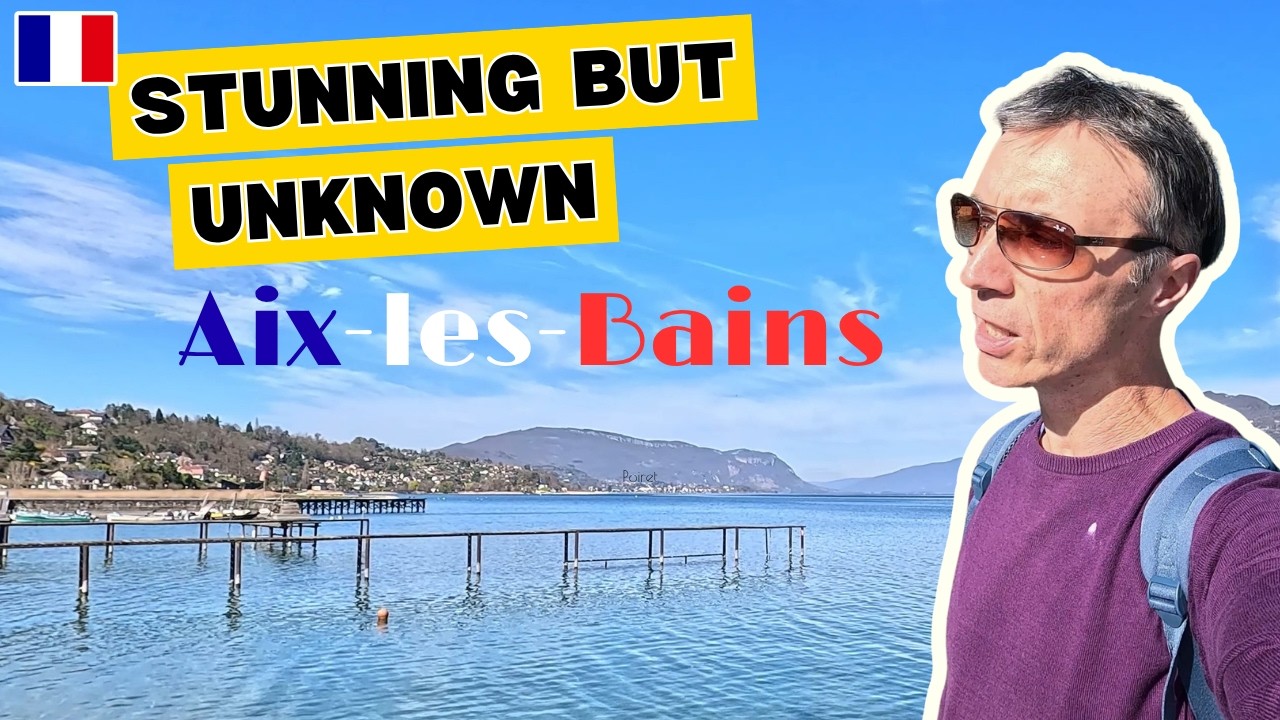
- Aix-les-Bains: A Stunning Lake and a Surprise Boat Trip — the lake town of Lac du Bourget and a surprise boat trip.
- Walking Croix-Rousse: Is It Still Lyon’s Silk Quarter? — wandering Lyon’s old silk-weaver hill.
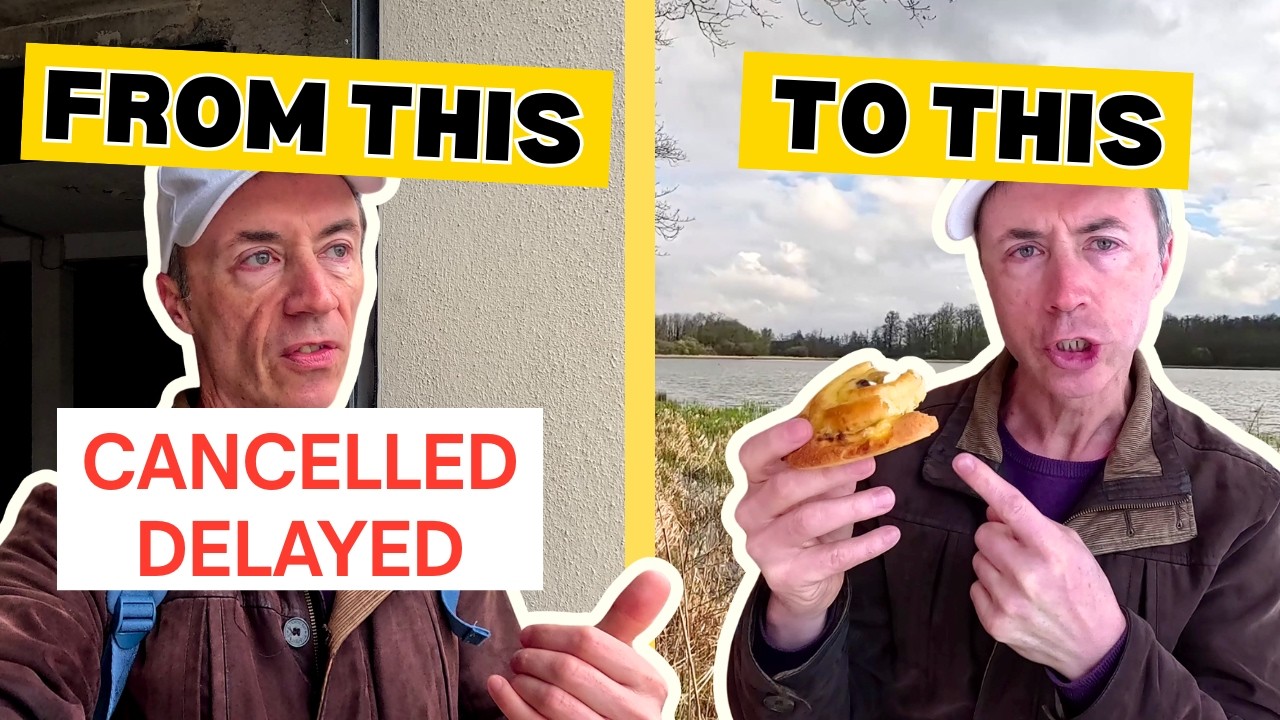
- Too Much Train Pain: What Was My Plan B? — when the train plan falls apart and Plan B kicks in.
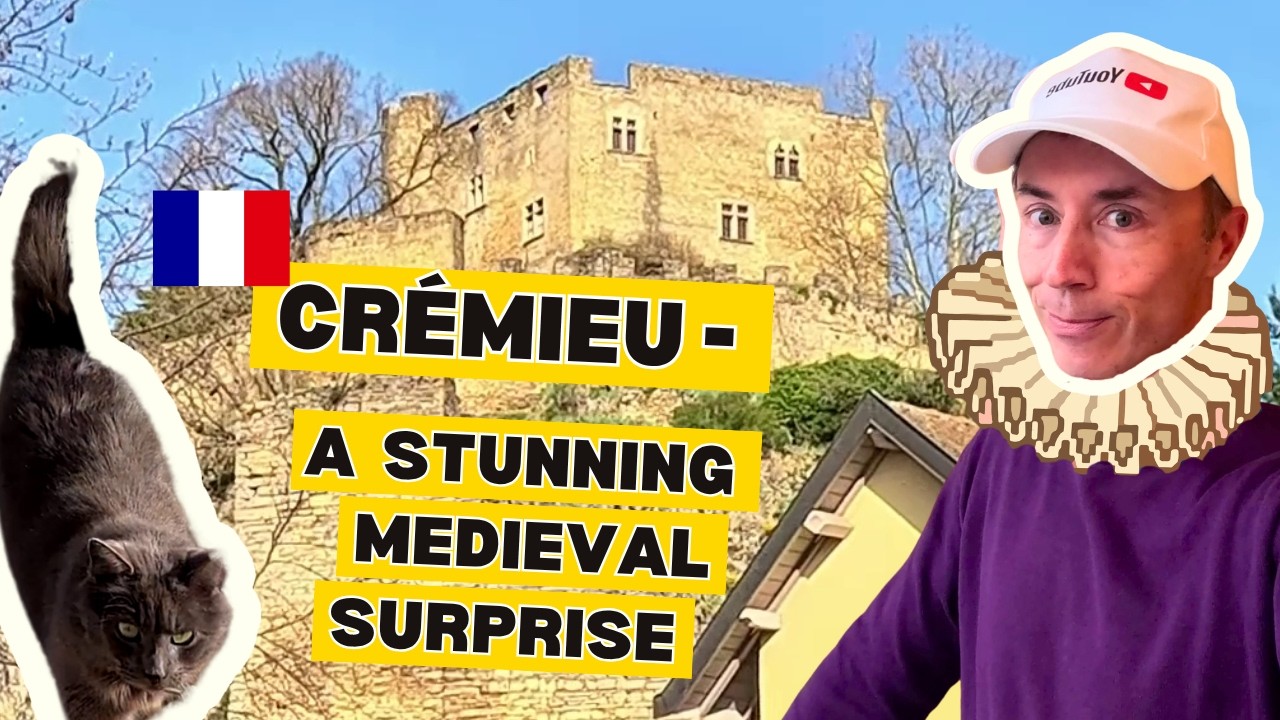
- Being Medieval in Crémieu: Chateau, Castle and Winding Streets near Lyon — a medieval town in the hills near Lyon.
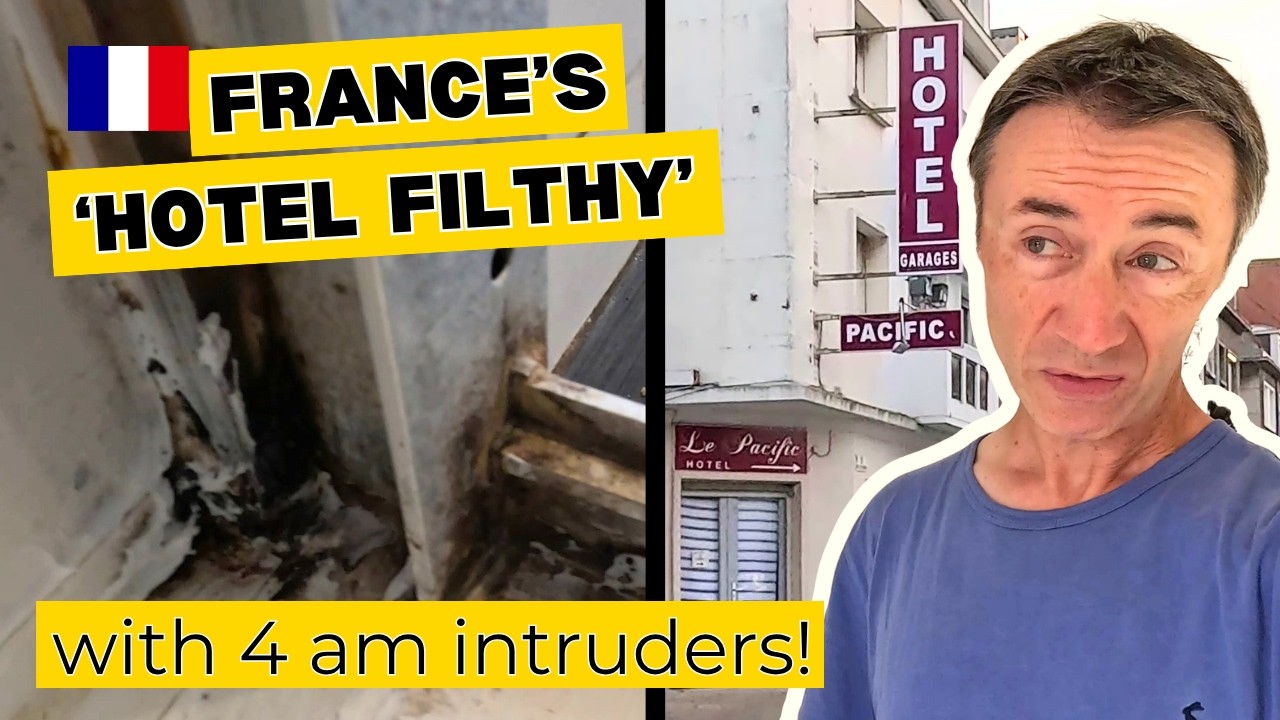
- Staying at the Hotel Filthy: A French Farce in Three Acts — a 24-hour misadventure in Calais — and how it turned into a three-act farce.
- How to Cross the Channel at Calais — every method, from the free bus to Sangatte Beach.
Stay in touch
New walks land on the channel regularly — the easiest way to follow along is to subscribe on YouTube. The full set of written companions to every film lives in The Journal, and there’s a curated set of the longer pieces on the Featured Films page. If you’ve got an idea for somewhere I should walk next, send it through the Contact page — I read everything.
Patrick Ashton is a UK-based filmmaker walking the overlooked corners of Britain and Europe. More about Patrick →