
Walking Croix-Rousse: Is It Still Lyon’s Silk Quarter?
Lyon has two hills: one that prays, crowned by the Fourviere basilica, and one that works – La Croix-Rousse, the old heart of the city’s silk trade. I went up to see how much of the silk quarter is still there.
If you have time for nothing else, watch the film first. Everything below is the context.
Where I went
La Croix-Rousse is the steep hill rising north of the Presqu’ile in central Lyon. The walk climbs from the lower slopes up through the old weavers’ district to the plateau at the top, ducking in and out of the traboules – the covered passageways – along the way. It is only a couple of miles, but it is properly uphill, so it earns the long views back over the city. The Metro line C climbs the hill too, if you would rather spare your legs at one end.
Why this hill
For the better part of two centuries this was the beating heart of Lyon’s silk industry. In the early 1800s the Jacquard loom transformed silk weaving, and the new looms were tall – which is why the buildings here have those distinctive high ceilings and oversized windows, built to house them and let in the light. Whole families lived and worked around the clatter of the machines. They were the canuts, the silk weavers, and at their peak they numbered in the tens of thousands. Walking the hill is the best way to read that history straight off the architecture.
What you will see in the video
- The traboules – covered passageways cutting straight through buildings and courtyards, used by the canuts to move bolts of silk while keeping them dry.
- The tall weavers’ houses with their high windows.
- Long views back across the Presqu’ile and the two rivers from the plateau.
- [Patrick – name the specific traboules and squares featured.]
Practical notes
- Best time of year: spring to autumn – the climb is hot in high summer.
- How long: a half-day on foot, with stops.
- Walkability: steep in places, so wear good shoes; the Metro can skip the worst of the climb.
- Finding the traboules: look for the small signs marking public ones, and step in quietly – some open onto private courtyards.
- What I wish I had known: [Patrick – the practical tip from the day.]
A little history
La Croix-Rousse is not only a pretty piece of industrial heritage. In 1831, and again in 1834, the canuts rose up over pay and conditions – among the first major worker revolts of the industrial age. A century later, the same warren of traboules gave cover to the French Resistance during the Second World War. It has always been a quarter that hides things: silk, then people, then a way of life that is mostly gone but not quite forgotten.
Related walks
If you enjoyed this one, you might like the rest of the France trip:
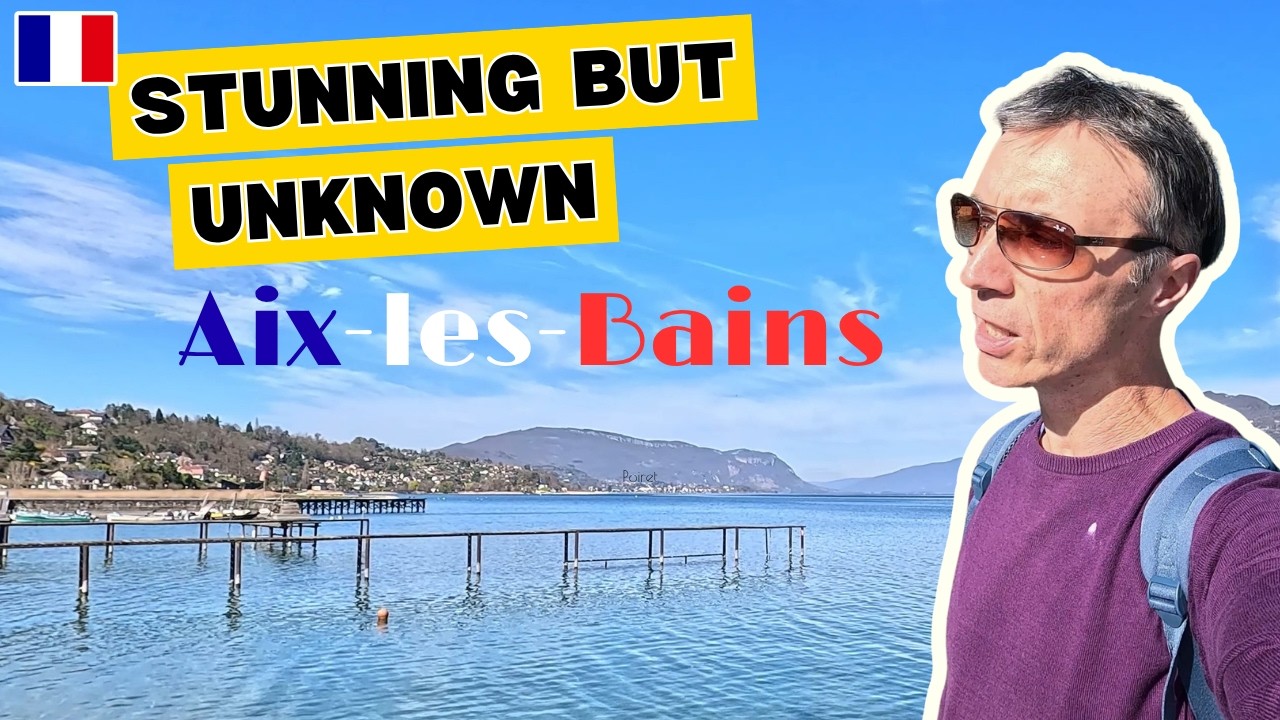
- Aix-les-Bains: A Stunning Lake and a Surprise Boat Trip — the lake town of Lac du Bourget and a surprise boat trip.
- Eating My Way Through Lyon: Frog, Oysters and More — eating my way through the kitchen capital of France.
- Too Much Train Pain: What Was My Plan B? — when the train plan falls apart and Plan B kicks in.
- Being Medieval in Crémieu: Chateau, Castle and Winding Streets near Lyon — a medieval town in the hills near Lyon.
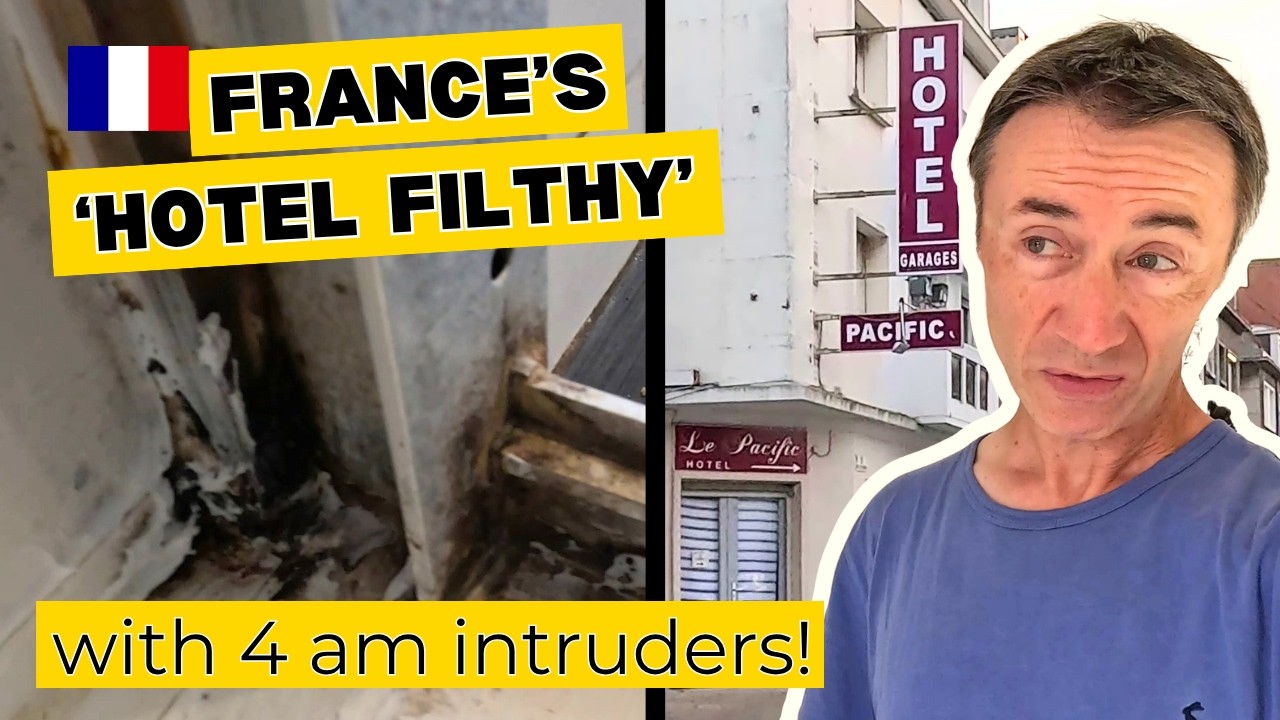
- Staying at the Hotel Filthy: A French Farce in Three Acts — a 24-hour misadventure in Calais — and how it turned into a three-act farce.
- How to Cross the Channel at Calais — every method, from the free bus to Sangatte Beach.
Stay in touch
New walks land on the channel regularly — the easiest way to follow along is to subscribe on YouTube. The full set of written companions to every film lives in The Journal, and there’s a curated set of the longer pieces on the Featured Films page. If you’ve got an idea for somewhere I should walk next, send it through the Contact page — I read everything.
Patrick Ashton is a UK-based filmmaker walking the overlooked corners of Britain and Europe. More about Patrick →